Why so many species?
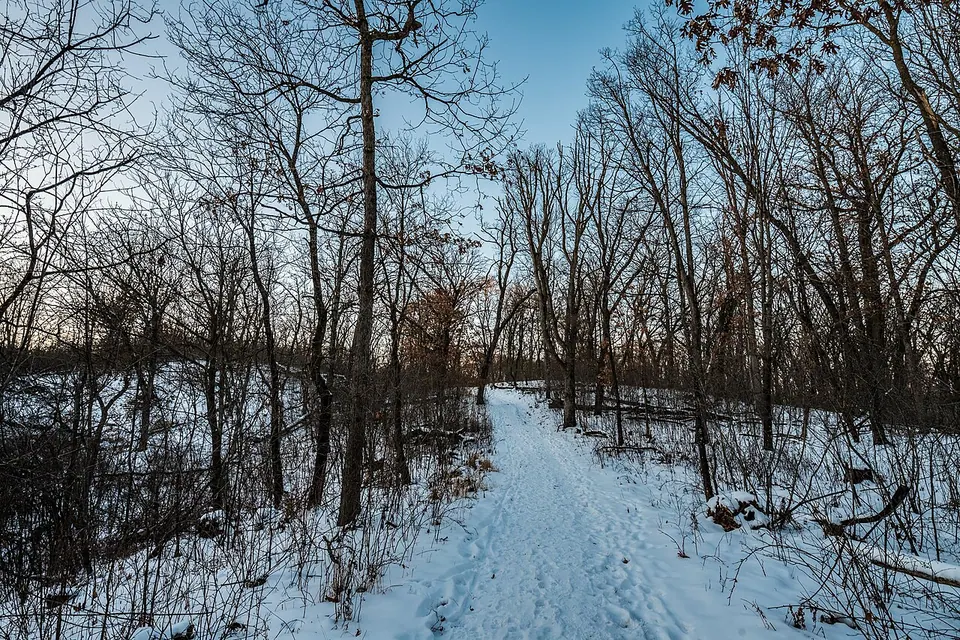
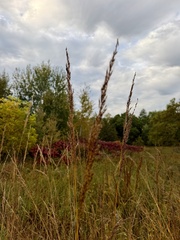
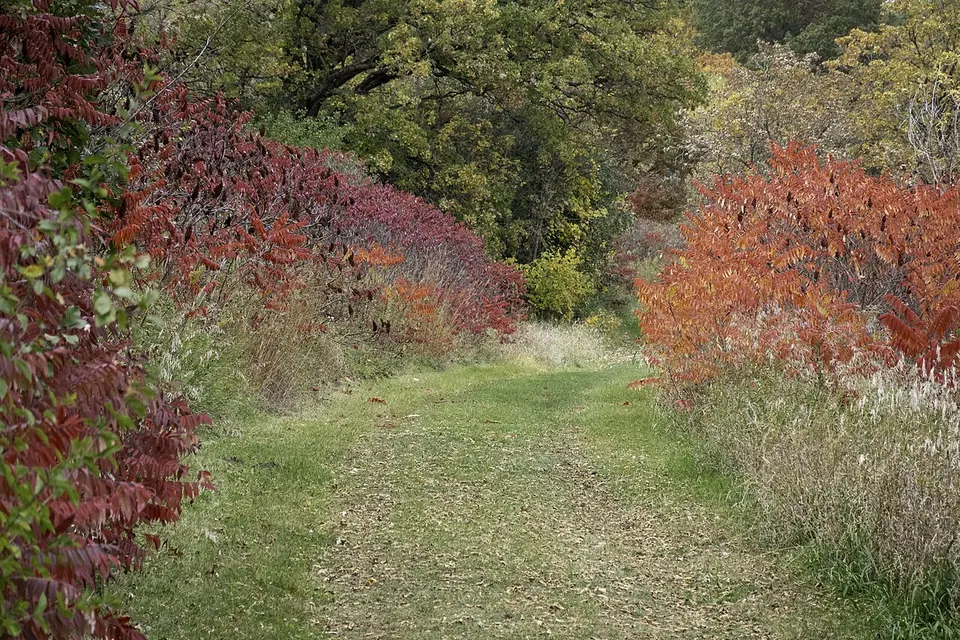
Marine sits on a natural seam. To the north and east, the St. Croix valley carries the northern forest — white pine, paper birch and cool-climate ferns — down toward the Twin Cities. To the west and south, the uplands were once prairie and bur-oak savanna, now being restored in William O’Brien State Park. Add the river itself, its islands and backwater sloughs, streams like the Mill Stream, wetlands and small lakes, and you get a remarkable range of habitats packed into a few square miles.
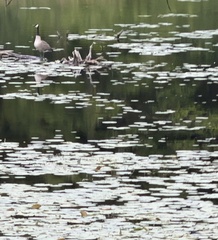
The St. Croix is also a flyway. Every spring and fall, migrating birds follow the river corridor, which is why May birding here can be spectacular.
Where these numbers come from
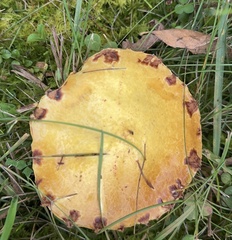
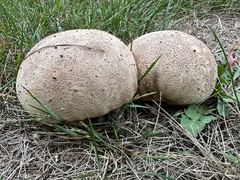
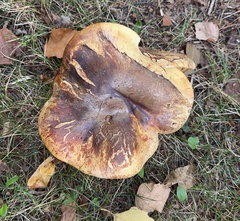
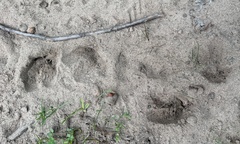
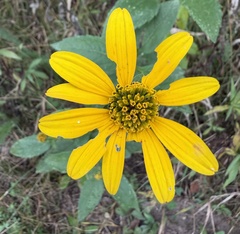
The species counts on these pages come from research-grade observations on iNaturalist — photos of wild organisms that at least two independent naturalists agree on — within 10 km of the village. Records are a sample, not a census: common, showy and easily photographed species are over-represented, while small, secretive or hard-to-identify ones are under-counted. Still, with 26,635 observations from 1,548 people, the seasonal patterns are clear and reliable.
You can help: take a photo of anything wild you see on your visit and share it on iNaturalist. It will appear here after the next update.
Be a good guest
Stay on trails in restored prairie and savanna, keep dogs leashed (required in state parks), never feed wildlife, and leave wildflowers, rocks and artifacts where you find them. Rules on collecting differ between state parks, county parks and Scientific and Natural Areas (where it is prohibited), so check before you pick anything.
Last reviewed October 1, 2026.
.jpg)